How to Know When It’s Time for a Roof Replacement in Santa Barbara
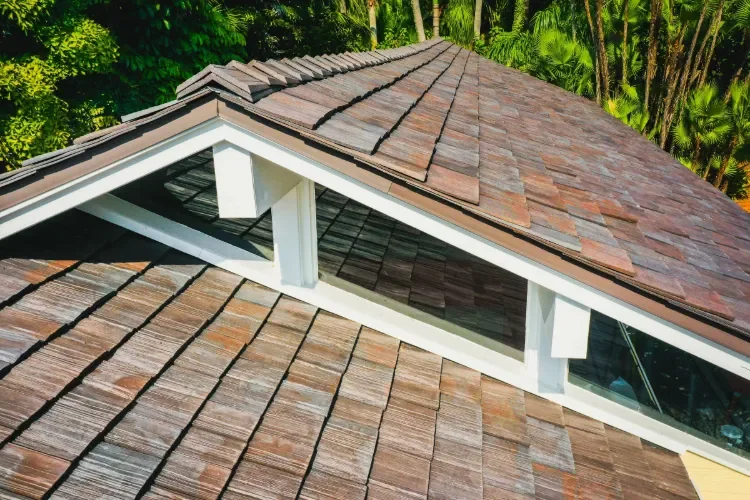
A roof replacement is one of the bigger decisions a Santa Barbara homeowner can make. Your roof protects more than the structure of your house. It helps protect your comfort, your investment, and your peace of mind.
Some roof problems can be repaired. But when leaks keep coming back, materials are wearing out across multiple areas, or the roof is nearing the end of its lifespan, replacement may be the more reliable choice for your home.
In Santa Barbara, residential roofs need to handle coastal moisture, sun exposure, seasonal weather, local code requirements, and the architectural style of the home. If you are wondering whether your roof needs another repair or a full replacement, this guide will help you know what to look for.
Quality Roofing provides residential roof replacement services for homeowners throughout Santa Barbara and nearby communities, with clear guidance, durable materials, and local experience you can trust.
Quick Answer: When Should You Replace Your Roof in Santa Barbara?
You should consider roof replacement in Santa Barbara when your roof has recurring leaks, widespread material damage, soft spots, flashing problems, frequent repair needs, or age-related wear.
Small, isolated issues may be repairable. But repeated or system-wide problems often point to replacement, especially when repairs no longer provide dependable protection.
A professional inspection is the best way to determine whether roof repair, partial reroofing, or full roof replacement is the right choice for your home.
Key Takeaways
- Roof replacement may be the smarter choice when leaks, material damage, or repair needs keep coming back.
- Partial reroofing may work when one section is failing but the rest of the residential roof is still sound.
- Santa Barbara homes need roofing systems built for coastal moisture, sun exposure, seasonal weather, and local fire concerns.
- Clay tile, concrete tile, shingles, flat roofing, slate, and synthetic materials can all fit different home styles and roof needs.
- A full replacement is the right time to consider energy-efficient materials, ventilation, flashing, underlayment, and long-term protection.
What Makes Roof Replacement Different in Santa Barbara?
Santa Barbara homes face a unique mix of coastal and hillside conditions. Marine air, morning moisture, sun exposure, and seasonal storms can all affect how a residential roof ages.
A home near the coast may need a different roofing approach than a home in Mission Canyon, Montecito, Hope Ranch, Goleta, Carpinteria, or the Riviera. Some homes need materials that match classic Santa Barbara architecture, while others need systems designed for low-slope rooflines, hillside exposure, or coastal weather.
Local permitting and code compliance also matter. Santa Barbara County and the City of Santa Barbara both maintain building permit resources for construction and residential roofing projects. You can review resources from Santa Barbara County and the City of Santa Barbara.
That is why it helps to work with a roofing contractor who understands local homes, local requirements, and the process from start to finish.
How Do You Know When Your Roof Needs to Be Replaced?
Not every roofing issue requires a full replacement. A small leak, a few damaged tiles, or an isolated flashing problem may be repairable.
But when problems become widespread, keep coming back, or affect multiple parts of the roof system, replacement may be the right choice for your home.
The difference usually comes down to whether the problem is isolated or part of a larger roof system issue.
Common warning signs include:
- Recurring leaks: If the same leak keeps returning after repairs, the issue may be deeper than one broken tile or shingle.
- Widespread cracked, slipping, or missing materials: Damage across multiple roof sections can signal broader roof system wear.
- Soft spots or sagging: These may point to decking damage or structural issues that need professional evaluation.
- Damaged flashing: Chimneys, skylights, vents, valleys, and wall transitions are common places for leaks to start.
- Heavy granule loss on shingles: When asphalt shingles lose too many protective granules, they may be near the end of their service life.
- Frequent repair bills: If you are paying for roof repairs again and again, replacement may be more cost-effective over time.
- A roof near the end of its lifespan: When a roof is aging, repairs may provide only temporary relief instead of lasting protection.
The right next step is a professional inspection. A qualified roofer can review the roofing material, underlayment, flashing, ventilation, roof deck, and surrounding details to help you decide whether repair or replacement is the right fit.
Should You Repair, Partially Reroof, or Replace Your Roof?
When a roof starts leaking, wearing down, or needing repeated repairs, the bigger question is whether another fix will actually solve the problem.
The right choice usually depends on the roof’s age, the size of the damaged area, the condition of the full roof system, and how often issues are coming back.
Roof repair is usually best when the roof is newer and the issue is limited to one small area. Partial reroofing may work when one section is failing but the rest of the residential roof is still sound. Full roof replacement becomes the stronger choice when the roof is older, damage is widespread, or repairs are no longer providing dependable protection.
Use this simple comparison as a starting point:
| Factor | Roof Repair | Partial Reroof | Full Roof Replacement |
|---|---|---|---|
| Best for | Small, isolated issues | One failing roof section | Aging, damaged, or unreliable roof systems |
| Typical situation | Minor leak or flashing issue | One plane or area is failing | Multiple leaks, worn materials, storm damage, or an older roof |
| Scope | Targeted short-term fix | Replace one portion of the roof | Replace the full roof system for complete coverage |
| Long-term value | Good for newer roofs in solid condition | Helpful when most of the roof is still sound | Often the better choice for long-term protection, consistency, and peace of mind |
If you are unsure, start with a free roof assessment. Quality Roofing provides professional roof inspections with condition notes, site photos, and written summaries, so you can clearly understand whether repair, partial reroofing, or full roof replacement is the right fit for your home.
How Do Materials Affect the Roof Replacement Decision?
The best material depends on your home’s architecture, roof slope, coastal exposure, fire concerns, energy goals, and budget.
A full replacement is the right time to choose a roofing system built for long-term protection, not just surface appearance.
Quality Roofing works with roofing materials including clay tile, concrete tile, shingles, flat roofing, slate, and synthetic roofing. Each material has a different role, from classic Santa Barbara curb appeal to low-slope performance, durability, energy efficiency, budget flexibility, and lower maintenance.
The right choice depends on your home, your roof design, and how the full system needs to perform over time.
Clay Tile Roofing
Clay tile roofing is a strong replacement choice for Santa Barbara homes with Spanish, Mediterranean, or historic architectural styles. During a full replacement, clay tile can add long-term durability, energy efficiency, and classic curb appeal.
Concrete Tile Roofing
Concrete tile roofing gives homeowners a durable, weather-resistant replacement option with the look and weight of a substantial roof system. It can be a practical alternative to clay tile when you want long service life, strong protection, and design flexibility.
Shingle Roofing
Shingle roofing is a versatile roof replacement option for many Santa Barbara homes, especially when budget, color selection, and curb appeal matter. Modern shingles can provide dependable protection while giving homeowners flexibility in style and cost.
Flat and Low-Slope Roofing
Flat and low-slope roofing requires the right system because drainage, seams, and watertight performance are critical. These roofing systems are often used on modern homes, additions, and low-slope sections that need careful installation.
Slate Roofing
Slate roofing is a premium replacement option for homeowners who want a high-end look and exceptional longevity. It can be a strong fit for luxury homes where architectural character, durability, and long-term value are priorities.
Synthetic Roofing
Synthetic roofing can mimic the look of slate, shake, or tile while offering lighter weight and lower maintenance needs. For a replacement project, it gives homeowners a durable, flexible option when appearance and performance both matter.
How Do Fire Risk and Local Safety Concerns Affect Roof Replacement?
In parts of Santa Barbara, roof replacement is also an opportunity to improve fire safety. CAL FIRE recommends removing dead leaves, pine needles, and debris from roofs and gutters as part of defensible space maintenance.
The City of Santa Barbara’s wildfire planning materials note that structures in fire hazard severity zones may be subject to more stringent fire-hardening requirements. You can review the city’s Community Wildfire Protection Plan for more context.
If your property is in a hillside, canyon, or higher-risk area, ask about fire-rated roofing materials and ember-aware details. Vents, gutters, edges, flashing, and debris-prone areas can all affect how the roof system performs.
A roof is not the only part of home hardening, but replacement is a smart time to review the details that support long-term protection. Quality Roofing also provides more information about roofing safety for homeowners.
What Happens If Roof Replacement Is the Right Fit?
A roof replacement should feel organized, not overwhelming. The process usually begins with a detailed inspection, clear documentation, and a recommendation based on the condition of the full roof system.
Quality Roofing emphasizes local expertise, itemized estimates, manufacturer-approved materials, and workmanship warranty coverage up to 7 years.
If replacement is the right fit, a typical residential project may include:
- Inspection and documentation: The contractor reviews the roof condition, identifies visible damage, and checks for signs of underlying issues.
- Material recommendations: You compare roofing materials based on durability, appearance, budget, energy performance, and fit for your Santa Barbara home.
- Itemized estimate: A clear estimate explains the project scope, materials, labor, warranty coverage, and any special considerations.
- Permitting and scheduling: The contractor helps coordinate the project around local requirements, crew availability, and weather conditions.
- Tear-off or preparation: The existing roofing material is removed or prepared based on the replacement plan.
- System review: Decking, underlayment, flashing, ventilation, and roof transitions are checked because these details affect long-term performance.
- New roof installation: The new roof system is installed using the selected materials and approved installation methods.
- Final inspection and cleanup: The contractor reviews the finished work, cleans the jobsite, and confirms the roof is ready to protect your home.
How Long Does Roof Replacement Take in Santa Barbara?
The timeline depends on roof size, material type, roof pitch, access, weather, structural repairs, permitting needs, and any special requirements for the home.
Quality Roofing notes that most residential roof replacement projects take about three to five days. Larger or more complex homes may take longer, especially when the project involves tile, slate, flat roofing, hidden damage, decking repairs, HOA approvals, or special-order materials.
What Should You Ask a Santa Barbara Roof Replacement Contractor?
Choosing the right contractor is just as important as choosing the right roofing material.
A roof replacement affects your home’s protection, appearance, energy performance, and long-term value, so you want a Santa Barbara roof replacement contractor who understands local homes, local weather, permitting, and proper full-system installation.
A strong roof replacement contractor should offer:
- Licensed, bonded, and insured work
- Local Santa Barbara roofing experience
- Clear estimates with photos
- Material options instead of one-size-fits-all recommendations
- Code-compliant installation
- Workmanship warranty coverage
- Clean jobsite practices
- Experience with Santa Barbara home styles
Quality Roofing highlights 30 years of local experience, over 10,000 roofs serviced, transparent pricing, photo documentation, licensed and insured work, and workmanship warranty coverage up to 7 years.
Frequently Asked Questions About Roof Replacement in Santa Barbara
When should I replace my roof in Santa Barbara?
You should consider roof replacement when leaks, material damage, soft spots, flashing issues, or repair costs become recurring. A professional inspection can confirm whether repair, partial reroofing, or replacement is the right fit.
Is roof replacement better than roof repair?
Roof repair may be enough for a small, isolated issue on a roof that is otherwise sound. Roof replacement may be the better choice when the damage is widespread, the roof is aging, or repairs are becoming frequent.
What is a partial reroof?
A partial reroof replaces one failing section, roof plane, or material area instead of replacing the entire residential roof. It can make sense when the problem is concentrated in one area and the rest of the roof still has useful life.
What is the best roofing material for Santa Barbara homes?
The best material depends on your architecture, roof slope, budget, location, and performance goals. Clay tile, concrete tile, shingles, flat roofing systems, slate, and synthetic roofing can all be appropriate in different replacement situations.
Is roof replacement a good time to improve energy efficiency?
Yes. Roof replacement is a good time to discuss reflective materials, cool roof options, ventilation, underlayment, insulation details, and other choices that may support comfort and energy performance.
Do I need a permit to replace my roof in Santa Barbara?
Permit requirements can depend on the project scope and property location. It is best to work with a roofing contractor who understands Santa Barbara’s local permitting process and code requirements.
What should I ask before hiring a roof replacement contractor?
Ask whether the contractor is licensed, bonded, and insured. You should also ask about local experience, material options, itemized estimates, permits, warranties, cleanup, photo documentation, and project timeline.
Ready to Replace Your Roof With Confidence?
When your roof keeps leaking, wearing down, or needing repeated repairs, waiting can create more stress and more costly damage. A professional inspection gives you clear answers and helps you decide whether full roof replacement is the right choice for your home.
Quality Roofing helps Santa Barbara homeowners replace aging, damaged, and storm-worn roofs with durable systems built for local conditions, coastal weather, and long-term protection.
Request a free, no-pressure estimate from Quality Roofing and get honest guidance from a local team that understands Santa Barbara homes.